
Introduction
Gardens are often peaceful places filled with flowers, insects, and small wildlife. Occasionally, however, people discover unusual objects among the grass or soil that appear to be tiny stones or pebbles.
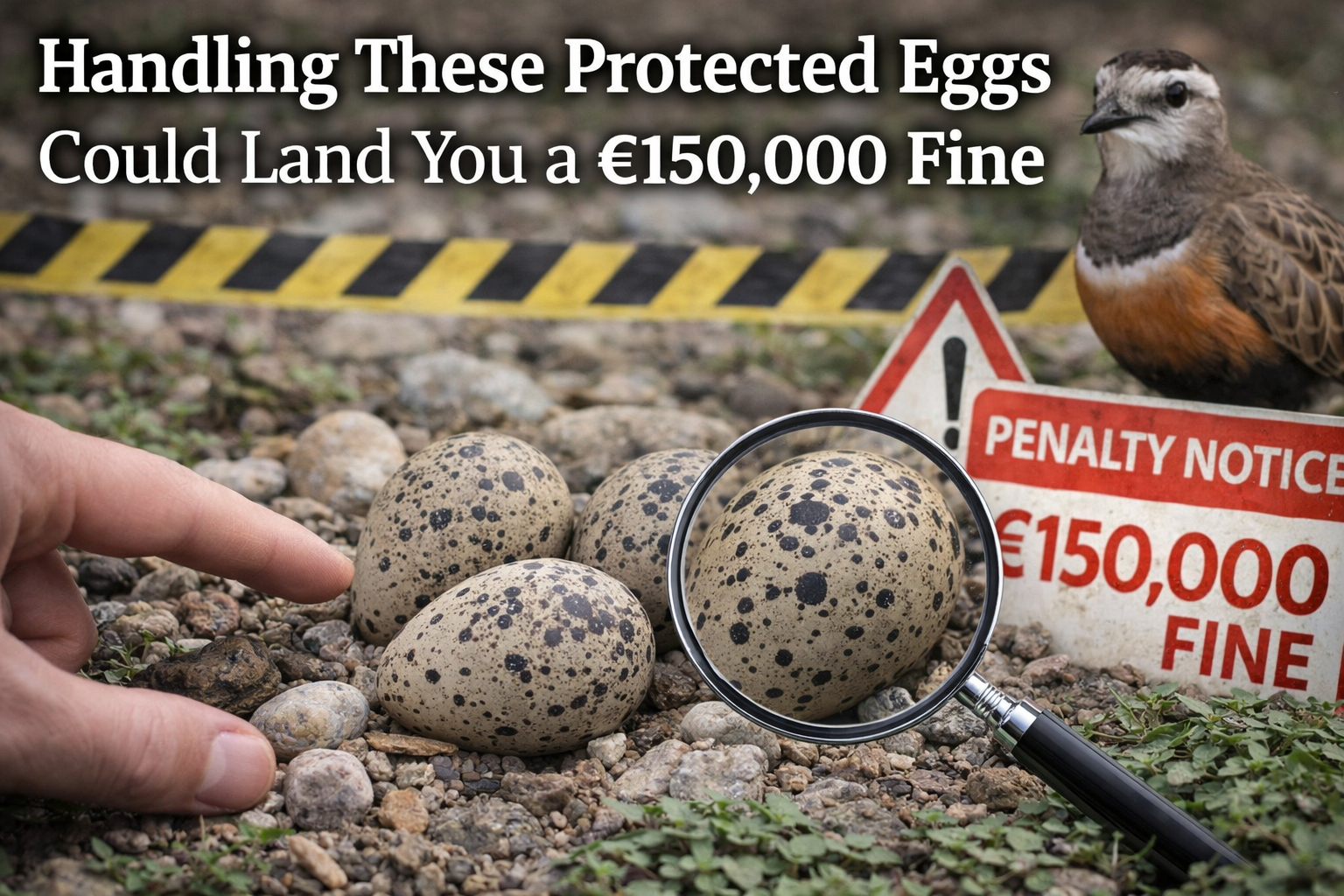
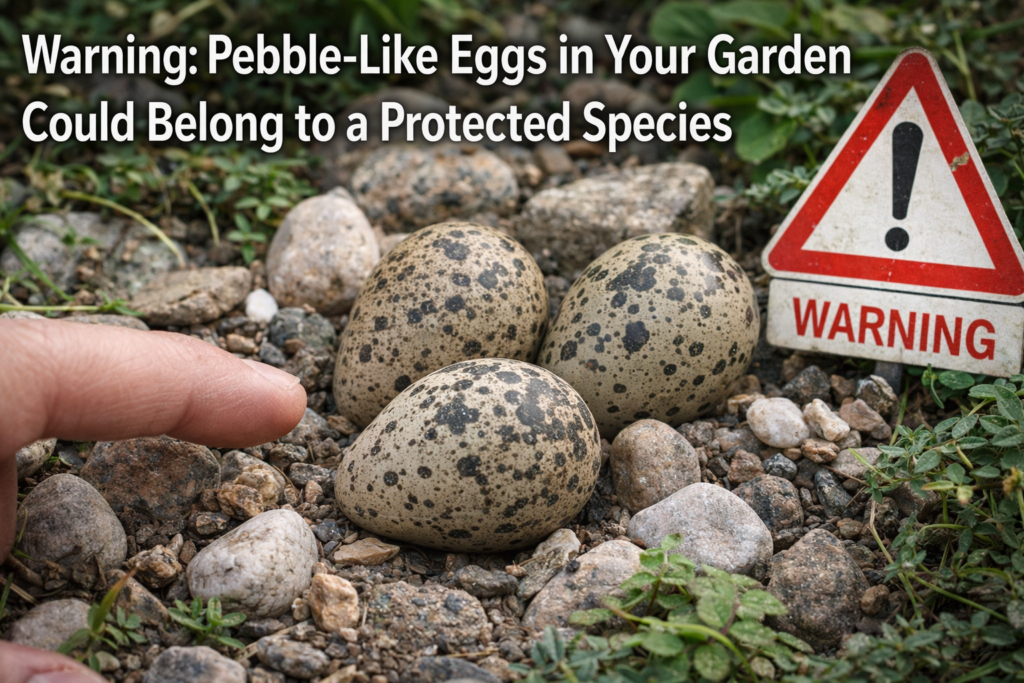
In some cases, these mysterious objects are actually eggs that look like pebbles in your garden. They may belong to protected bird species that rely on camouflage to survive.
Russian Spy Plane Near Alaska Sparks Military Interception
Experts warn that touching or disturbing these eggs can lead to serious legal consequences in certain regions, including extremely large fines.
Understanding why these eggs exist and how to respond properly is important for protecting wildlife.
The Powerful 3-Ingredient Grout Cleaning Trick That Makes Tiles Look Like New in Minutes
Why Some Eggs Look Like Pebbles
Nature has developed remarkable strategies for protecting vulnerable eggs.
Many birds lay eggs with patterns that closely resemble small stones or gravel. These patterns make the eggs difficult for predators to detect.
Common camouflage patterns include:
- Speckles and spots
- Brown and gray colors
- Pebble-like textures
Because of this camouflage, the eggs blend perfectly into their surroundings.
The Protected Species Behind These Eggs
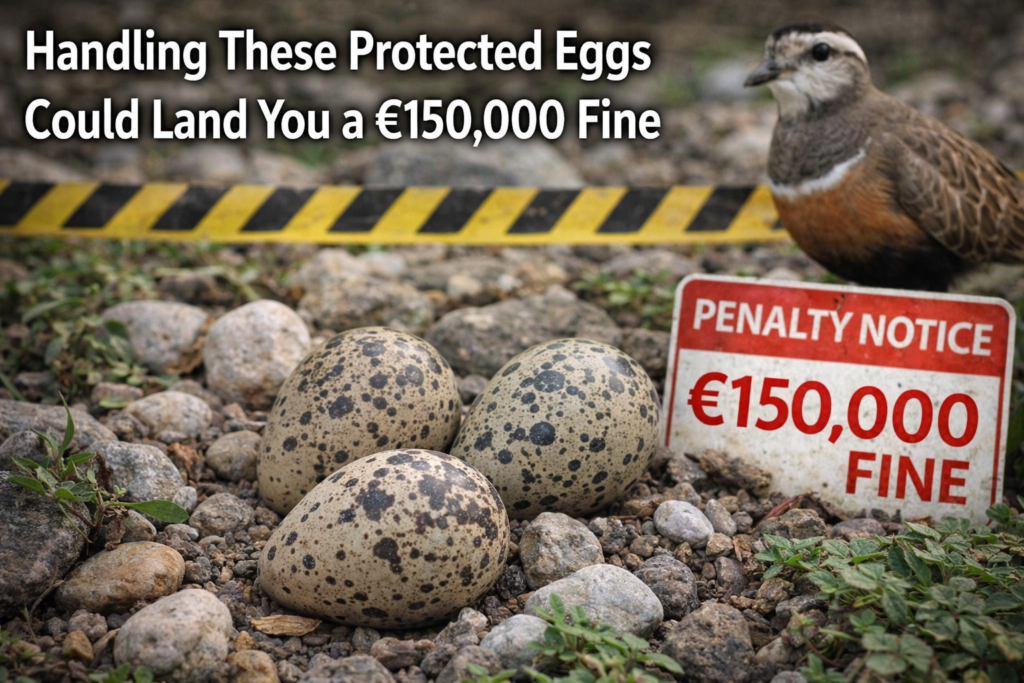
Several ground-nesting bird species lay eggs that resemble pebbles.
Examples include:
The Shocking Truth About Remote Work : Happier Employees, Anxious Executives
- Plovers
- Lapwings
- Terns
- Some species of shorebirds
These birds often lay eggs directly on the ground rather than building traditional nests.
Their eggs rely on camouflage rather than physical protection.
Brace Yourself: An Exceptionally Strong Polar Vortex Is About to Unleash Extreme February Cold
Why Birds Lay Camouflaged Eggs
Ground-nesting birds face many dangers.
Predators such as foxes, snakes, and other birds may try to steal eggs.
Awe-Inspiring Cosmic Spectacle: The Longest Solar Eclipse of the Century Will Turn Day Into Night
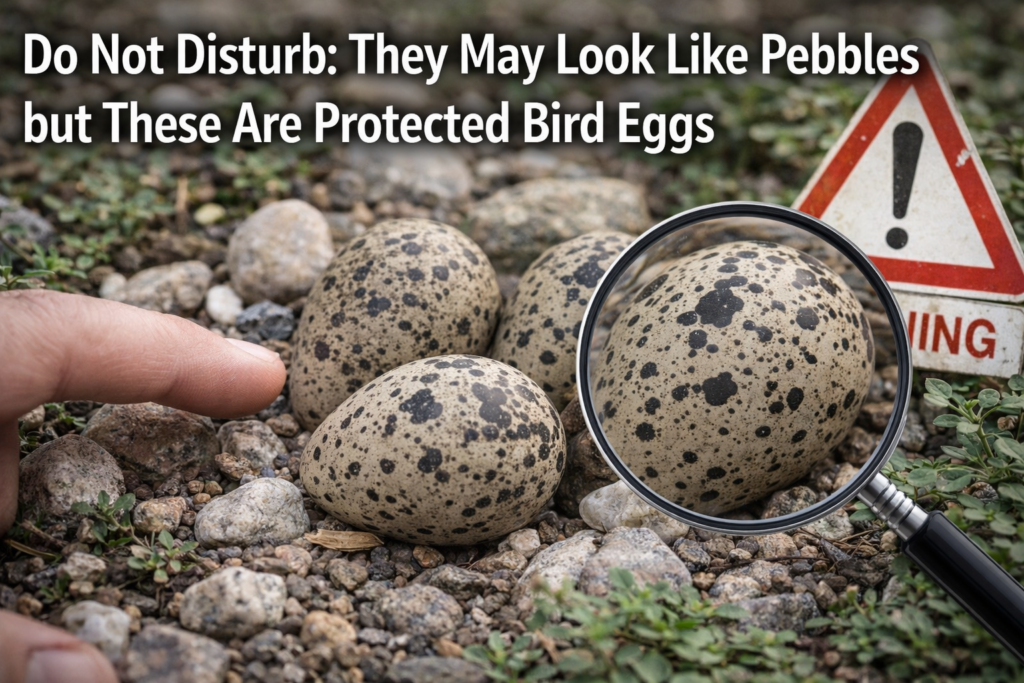
To survive, these birds evolved eggs that blend into the environment.
This natural disguise helps them avoid detection.
Without this camouflage, their survival rate would be much lower.
Where These Eggs Are Commonly Found
You may encounter eggs that look like pebbles in your garden in several environments.
Experts Warn: Ocean Iron Shortage Is Slowing Phytoplankton Photosynthesis and Urgent Action Is Needed
These include:
- Grass lawns
- Gravel areas
- Open soil patches
- Coastal gardens
- Fields and meadows
Birds choose locations where the eggs naturally match the surrounding ground.
Why Touching Them Can Be Illegal
Many ground-nesting birds are protected under wildlife conservation laws.
These laws prohibit actions such as:
The Surprising Truth About LED Headlight Power in Cars That Every Driver Already Knows
- Removing eggs
- Damaging nests
- Disturbing breeding birds
Even accidental interference can sometimes violate regulations.
Authorities take these laws seriously because protected species often have declining populations.
The €150,000 Fine Explained
In some European countries, disturbing nests or eggs of protected species can result in severe penalties.
Fines can reach extremely high amounts depending on:
Global Finance Shock: China and Russia’s Bold Plan to Challenge the US Dollar by 2027
- The species involved
- The number of eggs disturbed
- Whether the disturbance was intentional
In extreme cases, fines may reach €150,000 to discourage harmful behavior.
Such penalties highlight how seriously governments treat wildlife protection.
The Shocking Cost Behind China’s Halted Race to Build the World’s Largest Particle Accelerator
How Wildlife Protection Laws Work
Wildlife laws aim to protect animals during vulnerable stages of their life cycles.
For birds, the breeding season is particularly important.
During this time, regulations often prohibit activities that might disturb nesting birds.
These protections help ensure species survival.
Stealth Breakthrough: France’s High-Speed Naval Drone That Eliminates Risk and Outpaces Patrol Boats
Without such laws, many birds could face rapid population decline.
Why These Species Need Protection
Ground-nesting birds face multiple threats.
Major challenges include:
- Habitat destruction
- Human disturbance
- Predation
- Climate change
Because their nests are exposed, these birds are especially vulnerable.
Household Heat Under Attack: Experts Warn of Controversial Gas Fee
Protection laws help reduce human impact on their breeding success.
The Role of Camouflage in Bird Survival
Camouflage is one of nature’s most effective survival tools.
Bird eggs with pebble-like patterns blend seamlessly into gravel or soil.
This makes them difficult to detect even for sharp-eyed predators.
However, humans can accidentally disturb them when gardening or walking across lawns.
What To Do If You Find Pebble-Like Eggs in Your Garden
If you discover eggs that resemble pebbles, the safest response is simple.
Do Not Touch Them
Avoid moving or handling the eggs.
Keep Distance
Limit activity near the nesting area.
Observe From Afar
You may notice the parent bird returning periodically.
Contact Local Wildlife Authorities
If you are unsure, experts can identify the species and provide guidance.
Common Mistakes People Make
Many people unintentionally harm nests.
Common mistakes include:
- Trying to relocate eggs
- Cleaning up “strange stones” from the garden
- Allowing pets near nests
These actions can damage fragile eggs or scare away parent birds.
How to Protect Wildlife in Your Garden
Gardens can be valuable habitats for wildlife.
Simple steps can help protect nesting birds.
Maintain Natural Areas
Leave small sections of grass or soil undisturbed.
Reduce Pesticide Use
Chemicals can harm birds and insects.
Monitor Pets
Cats and dogs should be kept away from nesting areas.
Provide Safe Spaces
Native plants create better habitats for birds.
How Climate and Habitat Loss Affect Ground-Nesting Birds
Environmental changes are making survival more difficult for many bird species.
Urban expansion and agriculture reduce available nesting areas.
Climate change also affects breeding cycles and food availability.
Protecting nesting sites in gardens and natural areas can help offset these pressures.
Identifying Ground-Nesting Birds Safely
Identifying bird species should always be done carefully.
If you suspect a protected species is nesting nearby:
- Use binoculars instead of approaching
- Observe quietly
- Avoid disturbing the environment
Wildlife experts recommend patience and caution when observing nests.
The Importance of Public Awareness
Many people simply do not realize that eggs that look like pebbles in your garden may belong to protected wildlife.
Education plays a crucial role in conservation.
When people understand the importance of these species, they are more likely to protect them.
Public awareness helps ensure wildlife can thrive even in human-dominated landscapes.
Conclusion
Discovering unusual pebble-like objects in your garden can be surprising, but they may actually be bird eggs belonging to protected species.
These eggs that look like pebbles in your garden are a remarkable example of nature’s camouflage strategies.
Because many of these birds are legally protected, disturbing their nests can result in serious consequences, including large fines.
By respecting wildlife and avoiding interference, homeowners can play an important role in protecting vulnerable bird populations.